How Bingo Found Its Way Into Popular Culture
Bingo might be best known as a traditional numbers game, but its influence reaches further than the bingo hall. Over the years, it has appeared in television programmes, comedy sketches, films and music, while its familiar calls and expressions have found their way into everyday conversation.
Part of what makes bingo so recognisable is that people don't necessarily need to play the game to understand its references. Expressions such as "eyes down" and "full house" are familiar beyond bingo itself, while the image of a caller announcing numbers has appeared in all sorts of entertainment.
So, how did bingo become part of popular culture, and why does it continue to appear in so many different forms?
Bingo on the Small Screen
Television has played an interesting role in bringing bingo into popular culture. The game has appeared in programmes ranging from dedicated game shows to sitcoms that use the bingo hall as their setting.
One example is Bob's Full House, a BBC game show hosted by Bob Monkhouse during the 1980s. Based on bingo, the programme brought a familiar game format to television, giving viewers a different way to experience its numbers and winning patterns.
Bingo also became the setting for comedy. The BBC sitcom Eyes Down, starring Paul O'Grady, ran for two series between 2003 and 2004. Set in a Liverpool bingo club, it followed the staff and their day-to-day experiences, using the characters and surroundings of a traditional venue as the basis for its humour.
These programmes show how bingo can work as more than a game. Its familiar routines, distinctive characters and recognisable setting provide plenty of material for television entertainment.
From Comedy Sketches to Sitcoms
Bingo has also provided material for British comedians. The combination of a caller, a room full of players and the anticipation surrounding each number creates a setting that can easily be adapted for comedy.
Peter Kay explored this in That Peter Kay Thing, which aired in 2000. In the episode Eyes Down, Kay played a bingo caller whose personality and unusual preparations became central to the comedy.
The game itself also lends itself to humour. The dramatic announcement of a number, the occasional confusion over a call and the familiar reactions to a completed ticket are all recognisable parts of bingo that can be exaggerated for entertainment.
Bingo-inspired comedy events have also put their own spin on the traditional format, combining number calls with performers, music and audience participation. These interpretations show how the familiar structure of bingo can be used in different types of live entertainment.
Bingo Calls Have Become Part of Everyday Language
One of bingo's most recognisable contributions to British culture is its distinctive vocabulary.
Traditional 90-ball bingo calls give numbers their own names, often through rhymes, visual references or familiar expressions. "Two little ducks" for 22, "legs eleven" for 11 and "clickety click" for 66 are just a few examples.
These expressions have become familiar even to people who may never have played a game of bingo. They are regularly referenced in jokes, conversations and other forms of entertainment.
The language has also developed over time. Some modern callers introduce updated references to popular music, television, celebrities and current expressions, while others prefer to stick with traditional calls.
This mixture of old and new helps keep bingo language recognisable while allowing it to reflect the culture around it.
Bingo in Films and Other Entertainment
Bingo has also made appearances on the big screen. Although it isn't always central to a film's storyline, a bingo scene can quickly establish a particular setting or provide an opportunity for comedy.
For example, the 1991 film My Girl includes a memorable scene involving a game of bingo. The scene uses the familiar conventions of the game as part of a humorous moment, showing how easily audiences can recognise its setting and rules.
Bingo also appears in television dramas and comedies as a recognisable part of everyday life. A scene in a bingo hall can establish a character's surroundings, introduce a group of different personalities or provide a backdrop for an important moment in a story.
Its familiarity makes it a useful cultural reference, even when the game itself isn't the main focus.
How Bingo Has Been Reimagined
Popular culture doesn't simply reflect bingo as it exists; it can also change how people interpret it.
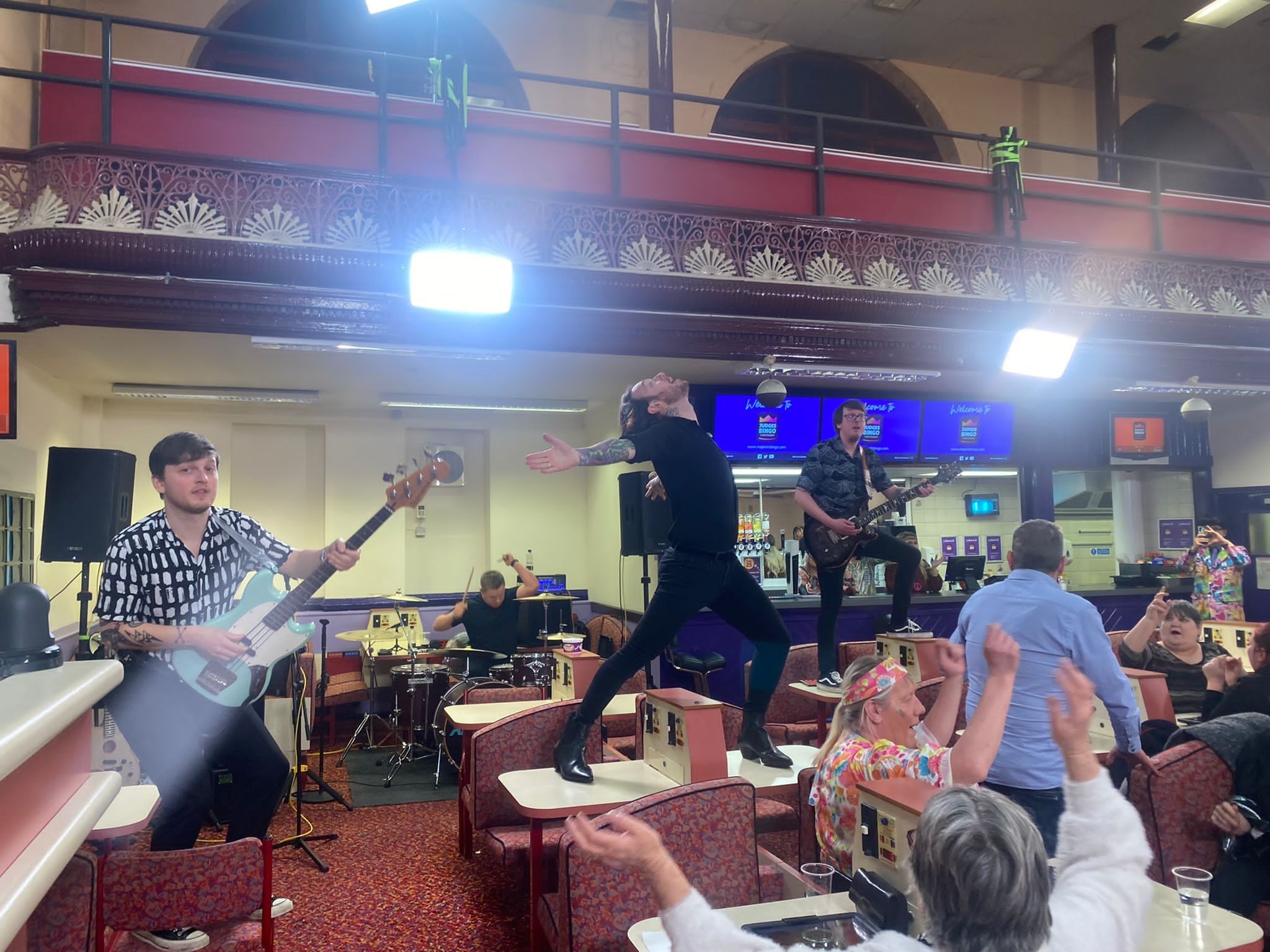
Traditional bingo has inspired newer forms of entertainment that take its familiar format and introduce different elements. Some events incorporate live music, comedy performances, themed rounds and contemporary bingo calls.
These versions may look quite different from a conventional bingo session, but they retain recognisable elements such as numbered calls and tickets. The result is a modern interpretation of a game that has been part of British entertainment for generations.
Online bingo has also influenced how the game is presented. Digital tickets, animated number calls and online chat rooms have introduced a different visual experience, while retaining the familiar ideas behind the original format.
Why Bingo Remains a Recognisable Part of Popular Culture
Bingo has found its way into popular culture because it has so many recognisable features. From its traditional calls and familiar terminology to its distinctive venues and characters, there are plenty of elements that writers and performers can draw on.
It can be used as the setting for a sitcom, the subject of a comedy sketch or simply a reference in everyday conversation. Its familiar format means that even a brief mention can bring a particular image to mind.
Over the years, bingo has appeared in different forms of entertainment, adapted to changing tastes and developed alongside new technology. Yet many of its defining features remain familiar.
Perhaps that's what makes bingo such an interesting part of British popular culture. It is more than a game with a long history; it has become a recognisable part of the country's entertainment and everyday language.