Why Is Bingo So Popular in the UK?
Bingo has been part of British culture for generations. From traditional bingo halls and community clubs to online bingo rooms, the game has remained a familiar part of the UK's entertainment landscape. Its format has evolved over the years, but many of the things that make bingo recognisable have stayed the same.
Part of its appeal lies in its straightforward format. The rules are relatively easy to understand, the numbers and calls are familiar, and there are different ways to play, from traditional 90-ball bingo to the shorter 75-ball format. But there's more to bingo's history than the game itself. Its social traditions, distinctive calls and move into the online world have all helped shape its place in British culture.
So, why is bingo so popular in the UK, and how has it managed to remain relevant through so many changes?
A Long History in British Culture
Bingo has a long history in the UK, with earlier versions of the game appearing in community settings, church halls and holiday camps. However, its popularity grew considerably during the twentieth century.
The Betting and Gaming Act 1960 marked an important turning point. Before this, commercial bingo was not permitted in the way we recognise today, and games were commonly organised in places such as social clubs and church halls. Changes to the law allowed commercial bingo clubs to develop, paving the way for the large venues that became familiar sights across British towns and cities.
By the early 1960s, bingo had become a significant part of the country's entertainment landscape. Traditional clubs established a recognisable format that many people still associate with the game today. Players gathered with their tickets, listened to the caller and marked off numbers as they were announced.
Although the number and style of bingo venues have changed over time, this history helps explain why bingo continues to hold a distinctive place in British entertainment.
The Social Side of Bingo
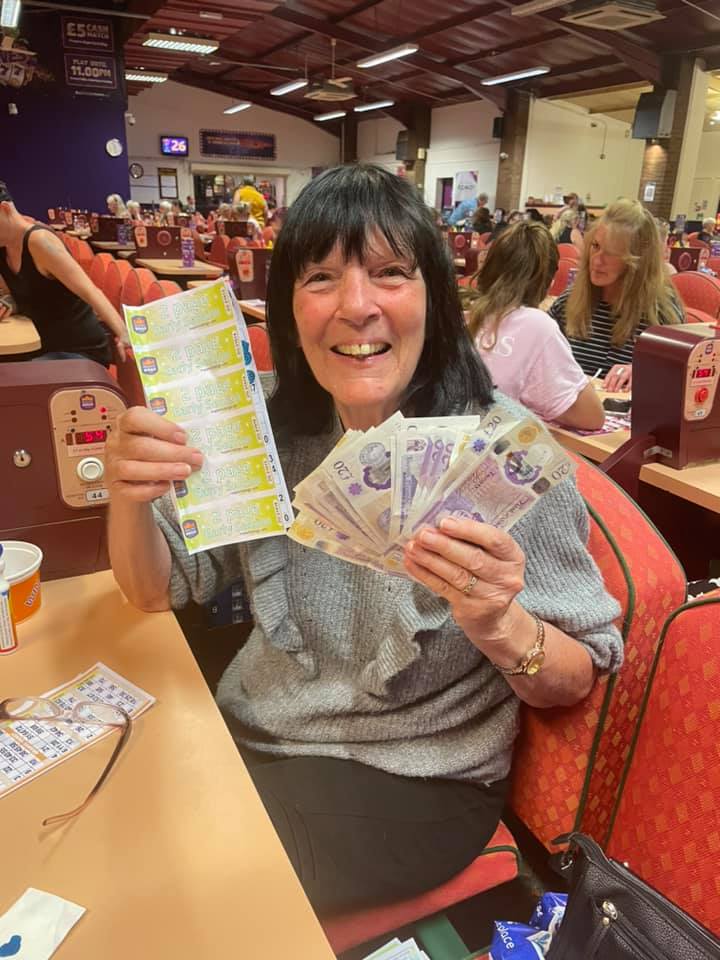
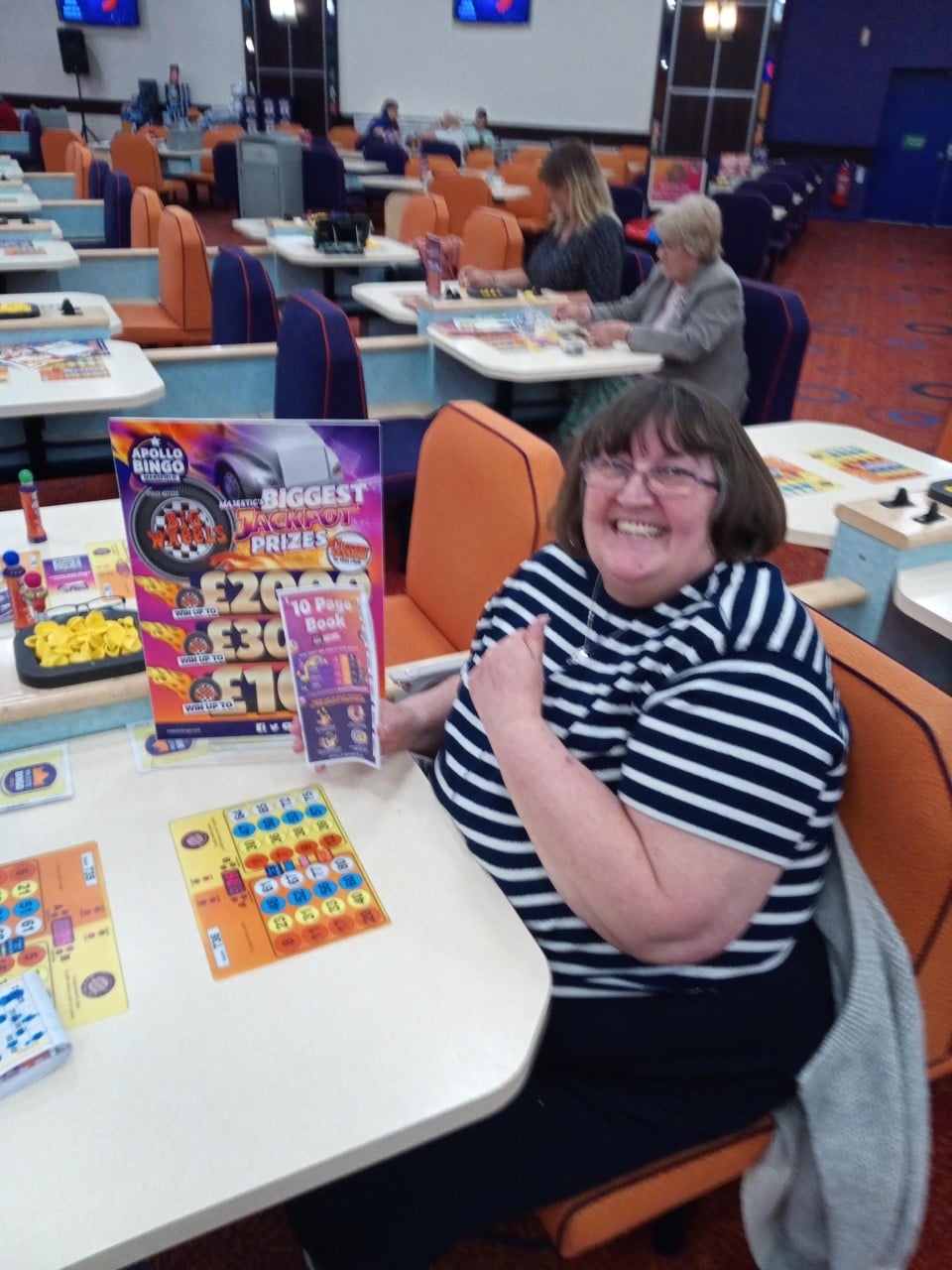
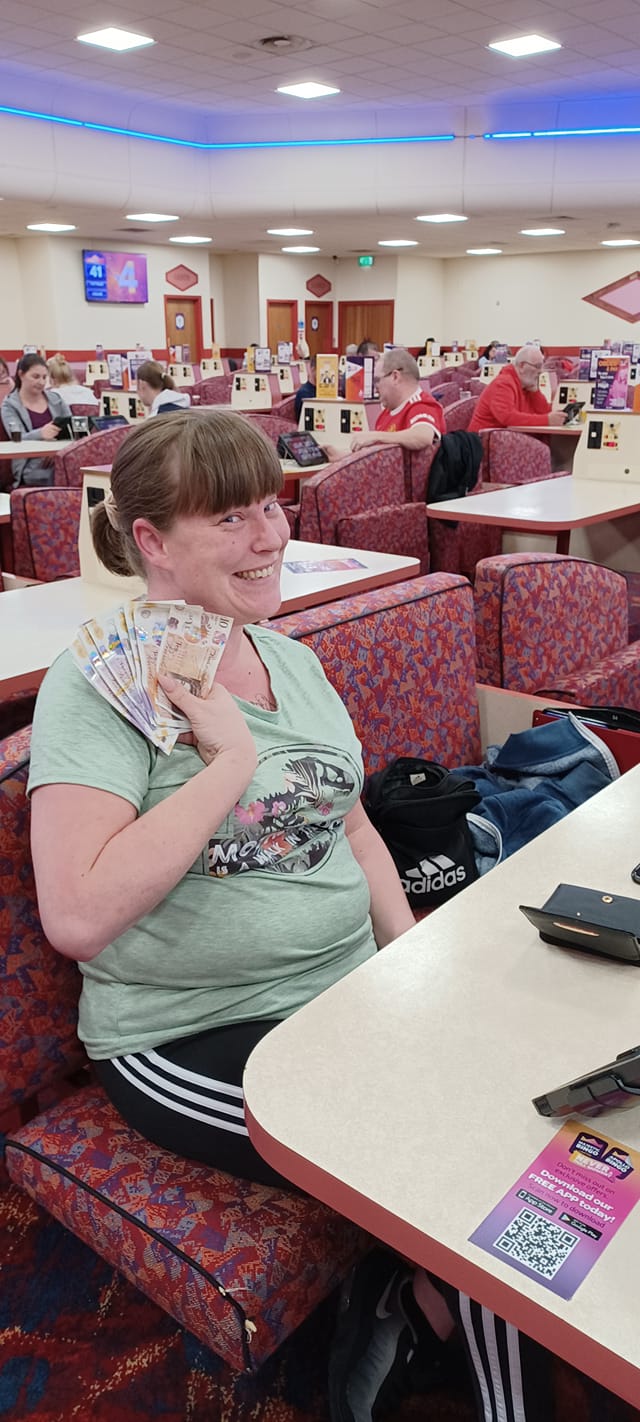
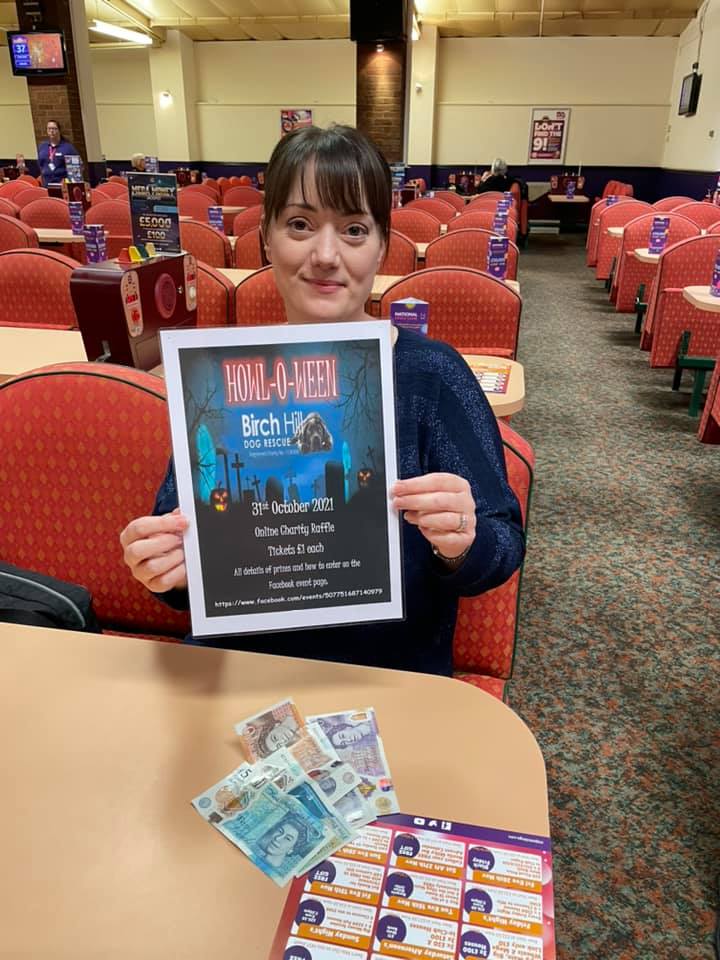
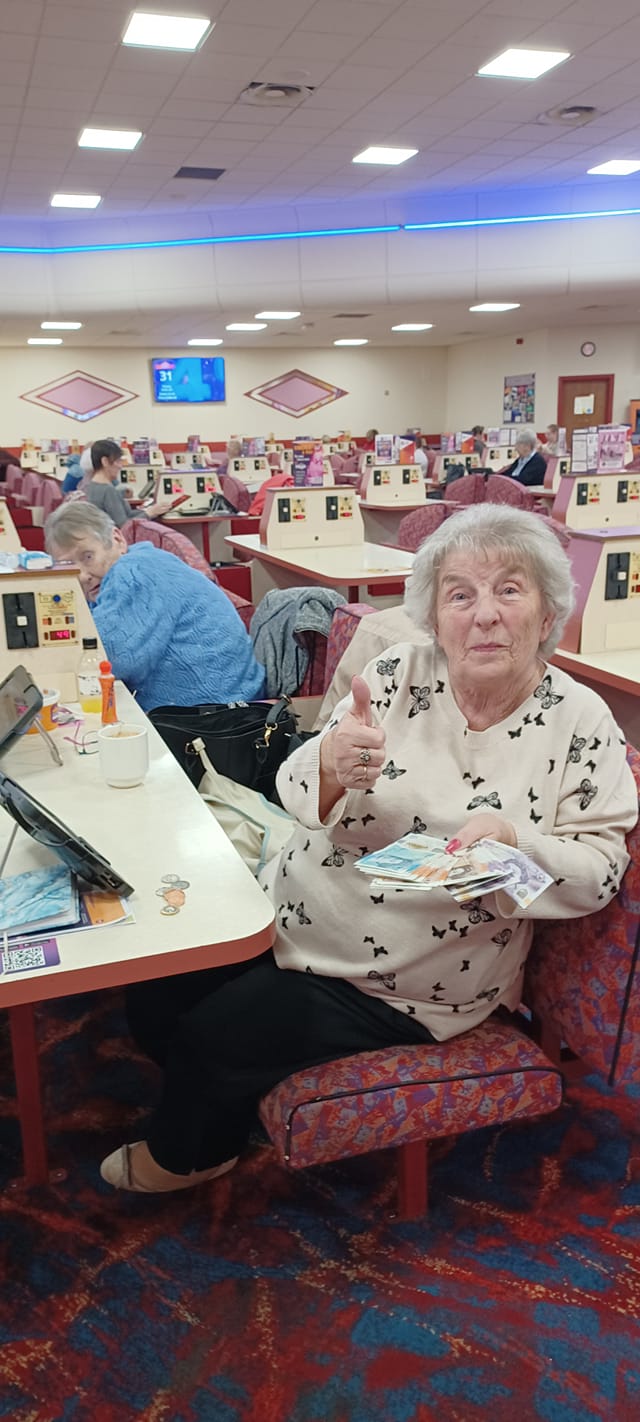
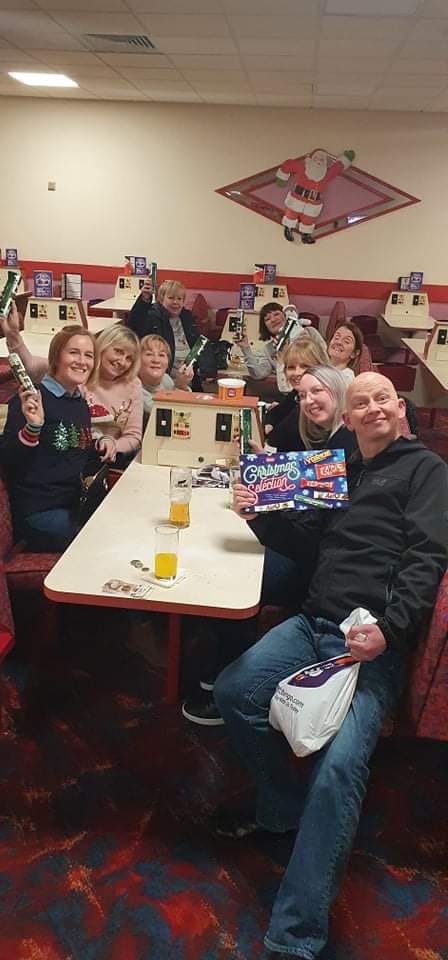
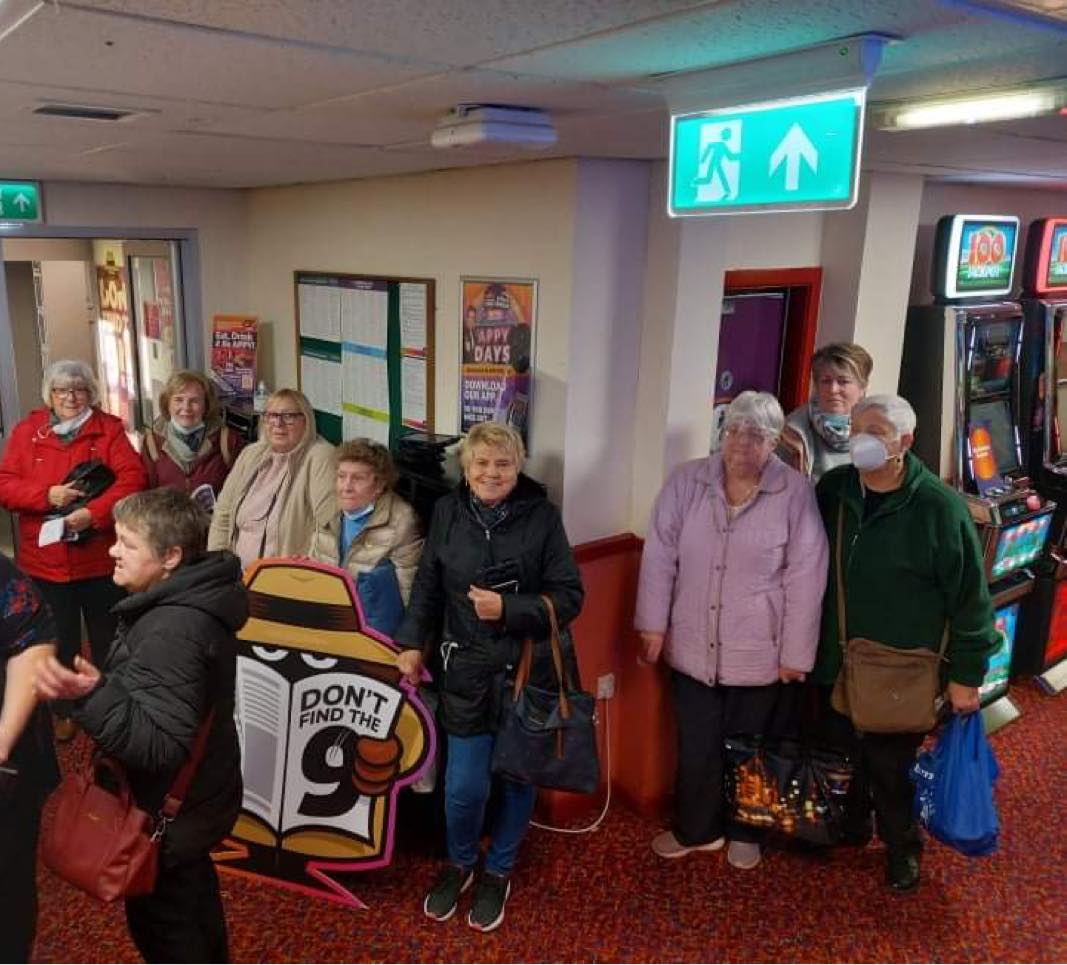
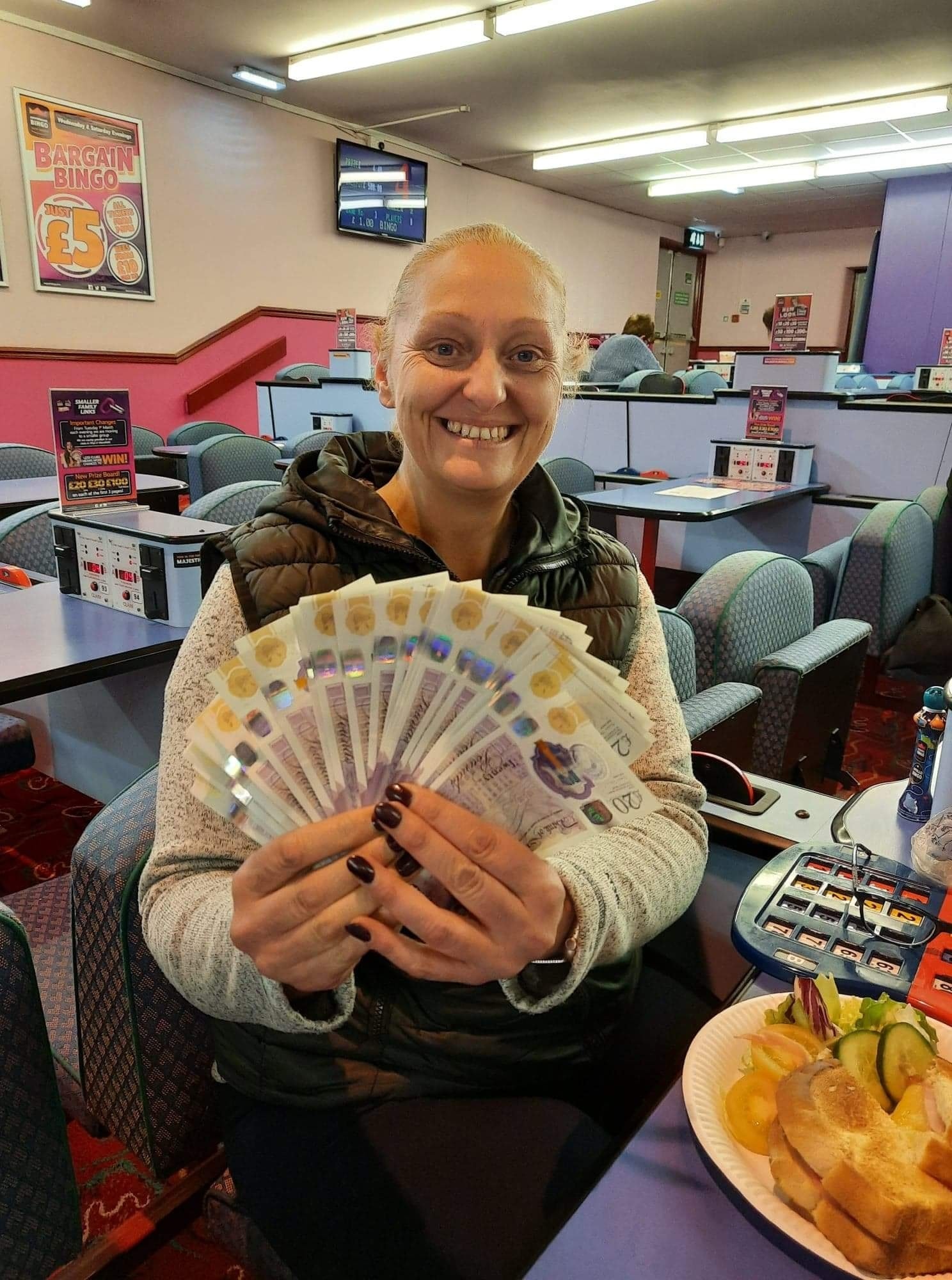
One of the most recognisable features of traditional bingo is its social setting. Bingo halls bring people together in a shared environment, where everyone follows the same numbers and takes part in the same game.
The bingo caller, the announcements and the familiar reactions when someone completes a line or full house all contribute to the atmosphere. These traditions have become closely associated with the game itself.
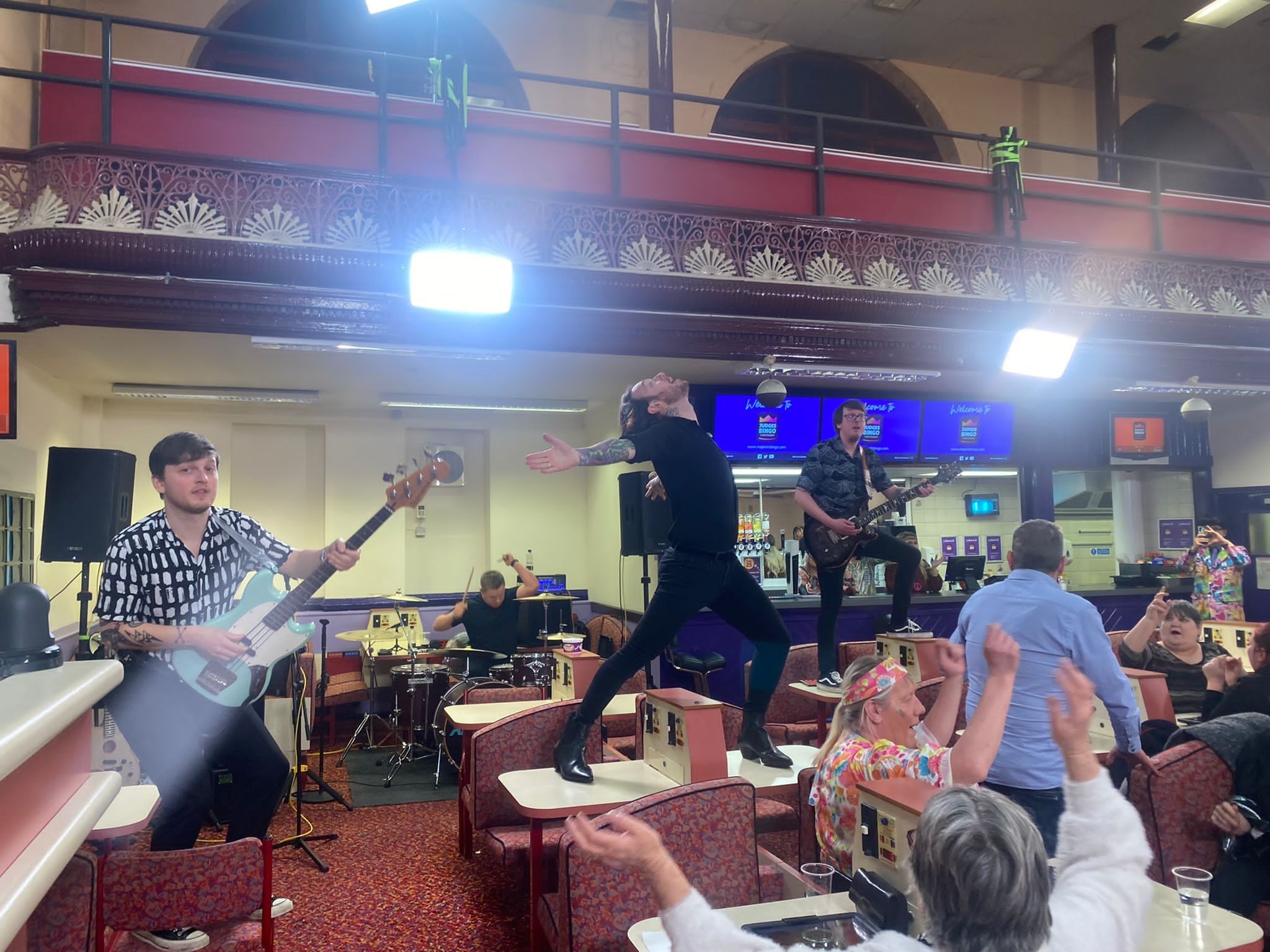
Bingo venues have also developed beyond the traditional hall format. Some now incorporate music, themed events and different styles of entertainment alongside their regular games. These newer formats show how the game can adapt while keeping its familiar structure.
The social element is also reflected in online bingo, where some platforms offer chat rooms alongside their games. Although the setting is different, these features draw on a tradition that has been part of bingo for decades.
Simple Rules and Familiar Formats
Another reason bingo has maintained its place in British entertainment is its straightforward format. Players receive numbered tickets and mark off numbers as they are called. The aim is to complete the required pattern for the particular game.
There are several bingo formats, each with its own characteristics.
90-ball bingo is particularly familiar in the UK. It uses tickets containing 15 numbers arranged across three rows and nine columns. Games typically have three winning stages: one line, two lines and a full house.
75-ball bingo, meanwhile, uses a different ticket layout and a 5x5 grid. Rather than following the same line-based structure, games can involve different patterns, depending on the rules.
These formats give bingo some variety while keeping its central idea familiar. Whether playing 75-ball or 90-ball bingo, the basic concept of matching called numbers to a ticket remains the same.
The Traditions That Make Bingo Recognisable
Bingo has developed its own language and traditions over the years. Some of its most recognisable features are the calls used by traditional bingo callers to announce numbers.
Expressions such as "two little ducks" for 22 and "legs eleven" for 11 have become part of British bingo culture. These calls add personality to the game and distinguish traditional bingo from simply reading out a list of numbers.
Different venues and callers may have their own styles, but many of these familiar expressions have remained part of the experience across generations.
There are also traditions surrounding the tickets, the caller and the announcement of a full house. These small details help give bingo a recognisable identity, connecting modern versions of the game with its history.
How Online Bingo Changed the Game
The arrival of online bingo introduced another way to experience a familiar game. Instead of travelling to a bingo hall, players could access bingo rooms through websites and, later, mobile devices.
Online bingo has also introduced features that aren't always available in traditional venues. Automatic daubing, digital tickets, online chat rooms and different room formats have all become part of the modern online bingo experience.
The familiar structure is still there, but the presentation has changed. Online platforms allow players to browse different rooms, view game information and follow number calls on their screens.
Mobile technology has also changed how online bingo is presented, with websites and games designed to work across different screen sizes and devices.
These developments have given bingo another format while retaining many of the features that have defined the game for generations.
Bingo Continues to Evolve
Bingo may have a long history, but that doesn't mean the game has stayed exactly the same. Modern venues and online platforms have introduced different ways to present the traditional format.
Some bingo events now incorporate music, themed entertainment and different styles of hosting. Online games can feature varied ticket layouts, different jackpot structures and additional features depending on the platform.
Even the visual presentation has changed. Traditional paper tickets and numbered balls now sit alongside digital interfaces, animated number calls and electronic ticket management.
Despite these developments, the central idea remains familiar: numbers are called, players follow their tickets and the game progresses towards its defined winning pattern.
This balance between familiar traditions and newer formats is an important part of bingo's continued presence in the UK.
Why Bingo Remains Part of British Entertainment
Bingo's popularity in the UK has been shaped by more than one factor. Its long history, recognisable traditions, straightforward format and social setting have all contributed to its distinctive place in British culture.
From the familiar atmosphere of traditional bingo halls to the different features available in online bingo rooms, the game has continued to adapt to changing times.
Its formats may have developed, and the ways people access the game may look very different from a few decades ago, but the fundamentals remain recognisable.
Perhaps that's one of the most interesting things about bingo in the UK: it has managed to evolve without losing sight of the game that made it familiar in the first place.